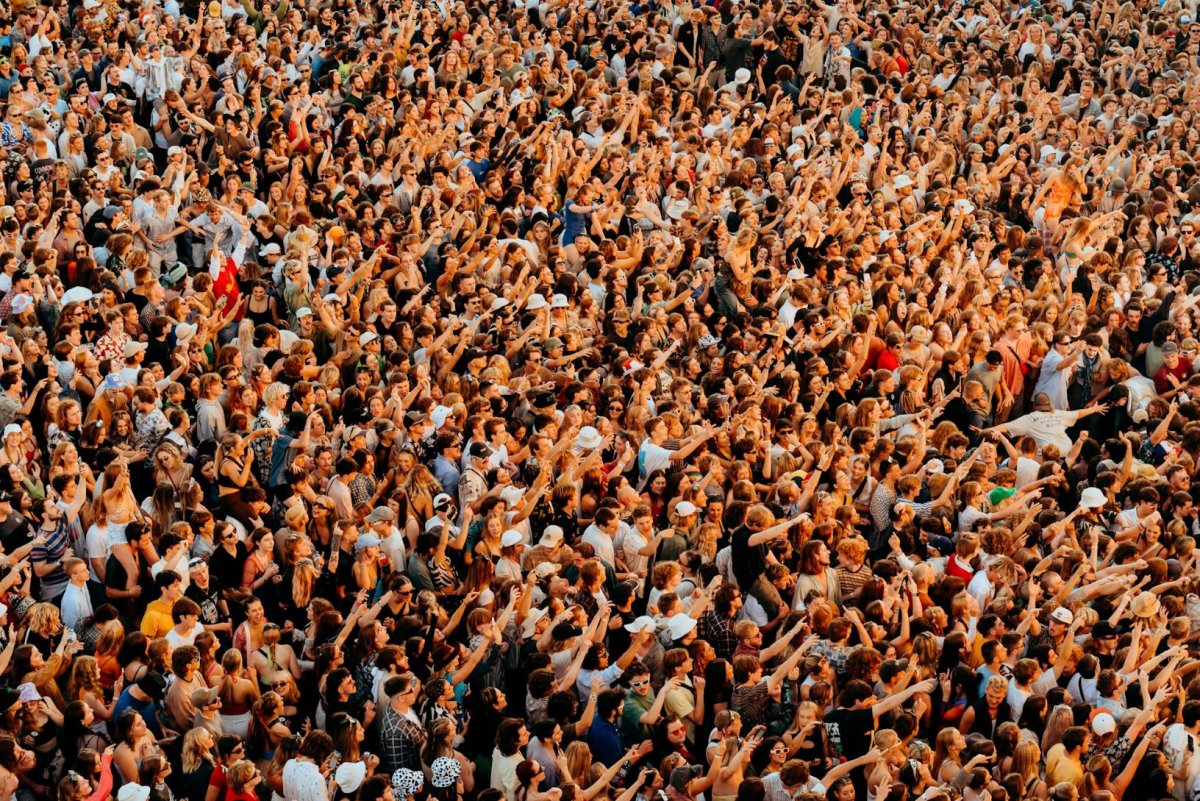
Rivalries in Dutch football cut deeper than most people realise, and I've spent years watching how these matches can literally divide cities and unite entire regions against each other.
You know that feeling when your local derby comes around? Multiply that by about ten, add centuries of cultural tension, and you'll start to understand what Dutch football rivalries are all about.
The Netherlands might be a small country, but the passion here burns white-hot. These aren't just football matches – they're cultural events that stop the nation, divide families, and create stories that get passed down through generations like family heirlooms.
Let me walk you through the most intense matchups that have shaped Dutch football into the beautiful, chaotic mess it is today.
De Klassieker Between Ajax and Feyenoord
Historical Foundation
Ajax versus Feyenoord isn't just a football match – it's a 700-year-old argument played out on grass.
The roots go back to the 13th century when Amsterdam and Rotterdam were already eyeing each other suspiciously. Amsterdam, with its fancy canals and intellectual pretensions. Rotterdam, with its massive port and working-class pride.
When these two cities first met on a football pitch in 1921, it was like striking a match near dynamite.
That first match? Controversial doesn't even begin to cover it. The referee decisions were questionable, the tackles were agricultural, and both sets of fans went home convinced they'd been robbed. Sound familiar? That's because nothing's changed.
Cultural and Social Dimensions
Here's what makes this rivalry absolutely mental - it's not really about football at all.
Amsterdam represents:
-
Intellectual superiority (or so they think)
-
Cultural sophistication
-
Financial power
-
Liberal attitudes
Rotterdam embodies:
-
Working-class authenticity
-
Industrial heritage
-
No-nonsense mentality
-
"Actions speak louder than words" philosophy
When Ajax fans call Rotterdam players "peasants" and Rotterdam supporters respond by calling Amsterdam "arrogant toffs," they're not being creative – they're expressing genuine cultural differences that have existed for centuries.
Competitive Record and Memorable Matches
In 196 official meetings, Ajax leads with 82 wins against Feyenoord's 62. But here's the thing about rivalries in Dutch football – the scoreline never tells the complete story.
Key moments that defined the rivalry:
-
Johan Cruyff's controversial 1983 transfer from Ajax to Feyenoord
-
Multiple title-deciding matches between the clubs
-
Feyenoord's record 6-0 victory in April 2024
-
Classic encounters during European qualification battles
Take Johan Cruyff's transfer from Ajax to Feyenoord in 1983. The greatest Dutch player of all time switching sides? It was like watching your best mate start dating your ex.
The betrayal was so complete that some Ajax fans still haven't forgiven him, and he died in 2016.
Then there's Feyenoord's record 6-0 demolition of Ajax in April 2024. I watched that match, and I've never seen a stadium go from confident to completely silent so quickly. Six goals. In Amsterdam. Ajax fans were streaming out after the fourth goal, and honestly, I don't blame them.
Violence and Security Measures
The 1997 Battle of Beverwijk changed everything. A Feyenoord fan died in clashes with Ajax supporters, and suddenly everyone realised this had gone too far. The Dutch authorities implemented away fan bans that still exist today.
Current security protocols include:
-
Complete away fan bans for De Klassieker
-
Inter-city police coordination
-
Intelligence sharing between authorities
-
Enhanced stadium security measures
-
Pre-match risk assessments
Modern security protocols mean these matches feel more like military operations than football games. Police coordination between cities, intelligence sharing, and enough barriers to fortify a small country. It's necessary, but it's also heartbreaking that passion turned into something so dangerous.
Big Three Rivalries
De Topper Between Ajax and PSV
Amsterdam versus Eindhoven might not have the historical venom of De Klassieker, but it's got something else - genuine competitive hatred.
PSV represents everything Ajax historically despised – corporate backing (Philips), southern Dutch pragmatism, and worst of all, success that came through money rather than "pure football philosophy."
Ajax fans see PSV as the nouveau riche of Dutch football, while PSV supporters view Ajax as entitled and living in the past.
What makes this rivalry special:
-
Consistent title race competition
-
European qualification battles
-
Contrasting football philosophies
-
Geographic and cultural divides
The title races between these two have produced some of the most dramatic finishes in Dutch football history. When it comes to European qualification and championship battles, this rivalry consistently delivers the highest quality football.
De Kraker Between PSV and Feyenoord
Southern Netherlands versus Western Netherlands. Industrial power versus port power. This rivalry often gets overlooked because it doesn't have Amsterdam's media attention, but trust me – it's vicious.
PSV fans see Feyenoord as yesterday's news, clinging to past glories while their city crumbles economically.
Feyenoord supporters view PSV as corporate sellouts who've never experienced real struggle. Both sides have excellent points, which makes their hatred even more intense.
Key elements of this rivalry:
-
Regional pride between South and West Netherlands
-
Championship battles throughout history
-
High-profile player transfers between clubs
-
Modern competitive dynamics
Regional and Local Rivalries
Amsterdam Area Dynamics
Here's something that makes Ajax unique among major European clubs – they've essentially killed off their local competition through sheer dominance.
Amsterdam used to have multiple competitive clubs. Now? Ajax is so dominant locally that their only real rivalries exist outside the city. It's like being the smartest kid in a class of one – technically impressive, but ultimately quite lonely.
Historical Amsterdam clubs that declined:
-
DWS (merged and folded)
-
Amsterdam FC (relegated to lower divisions)
-
Various neighbourhood clubs absorbed or eliminated
Rotterdam Rivalries
Feyenoord versus Sparta Rotterdam is David versus Goliath, except David supports the same team his great-grandfather did and refuses to switch sides despite decades of defeats.
Sparta fans possess something beautiful and tragic – unwavering loyalty to a club that hasn't been genuinely competitive for decades.
When they play Feyenoord, it's not about winning; it's about dignity, neighbourhood pride, and proving that supporting your local team matters more than supporting the successful one.
Rotterdam's internal matchups:
-
Feyenoord vs Sparta Rotterdam (the classic city derby)
-
Feyenoord vs Excelsior (significant size disparity)
-
Historical neighbourhood connections
The Feyenoord-Excelsior rivalry follows similar patterns, but with even greater size disparities. These matches are about maintaining identity in a football landscape increasingly dominated by commercial considerations.
Provincial Competitions
The Twentse Derby between FC Twente and Heracles might not grab national headlines, but in Enschede and Almelo, it's everything. Same with the IJsselderby and the Derby of the North.
Notable provincial rivalries:
-
FC Twente vs Heracles (Twentse Derby)
-
Various IJsselderby matchups
-
Derby of the North encounters
-
Regional pride competitions
These rivalries matter because they represent something pure – local pride without commercial pressure, traditional support without tourist fans, and genuine community investment in outcomes.
International Rivalries
Netherlands vs Germany
This rivalry transcends football and enters historical trauma territory.
The 1974 World Cup Final still haunts Dutch football consciousness. Losing to Germany in that match wasn't just a football defeat – it felt like historical injustice.
The 1988 European Championship victory provided some redemption, but even today, beating Germany means more to Dutch fans than winning against almost anyone else.
Historical context:
-
World War II experiences and occupation
-
1974 World Cup Final defeat
-
1988 European Championship redemption
-
Evolution from resentment to sporting respect
What's fascinating is how this rivalry has evolved from genuine resentment rooted in World War II experiences to sporting respect mixed with competitive intensity.
Modern Dutch and German players are teammates at club level, but when they pull on national team jerseys, something primal awakens.
Netherlands vs Belgium
Belgium versus Netherlands is like arguing with your cousin – you share too much history to truly hate each other, but you know exactly which buttons to push.
The rivalry exists more in media narratives than genuine animosity, though competitive matches can still produce genuine tension.
Both nations share similar football philosophies, cultural approaches, and even languages in some regions, making their rivalry feel more like friendly competition than blood feud.
Characteristics of this rivalry:
-
Cultural similarities create friendly competition
-
Shared football philosophies
-
Geographic proximity effects
-
Modern era relationship dynamics
Modern Era Impact
Commercialisation Effects
Television scheduling has fundamentally altered rivalry dynamics. Classic rivalries now happen when broadcasters decide, not when tradition dictates. International players who don't understand historical context participate in matches loaded with cultural significance they can't fully grasp.
Commercial changes affecting rivalries:
-
TV scheduling overrides traditional timing
-
International players lack historical context
-
Fan culture preservation challenges
-
Revenue considerations influence decisions
The challenge is preserving authentic fan culture while adapting to commercial realities. Some traditions survive, others get lost in translation.
Security and Safety Evolution
Inter-city police coordination now resembles military planning. Away fan restrictions mean the atmosphere suffers even as safety improves. Stadium security improvements create sanitised environments that older fans claim lack the raw passion of previous generations.
Modern security measures:
-
Inter-city police coordination
-
Away fan restrictions and bans
-
Stadium security improvements
-
Risk assessment protocols
It's necessary, but something gets lost when spontaneous celebration becomes impossible due to security concerns.
Changing Competitive Balance
European qualification importance means domestic rivalries sometimes feel secondary to Champions League ambitions. Financial disparities create predictable outcomes that drain excitement from traditional matchups.
Factors affecting competitive balance:
-
European qualification priorities
-
Financial disparities between clubs
-
Youth development competition
-
Transfer market influences
Youth development competition has become more important than first-team rivalry in some cases, as clubs recognise that future success depends on academy talent more than transfer market activity.
Fan Culture
Supporter Organisation
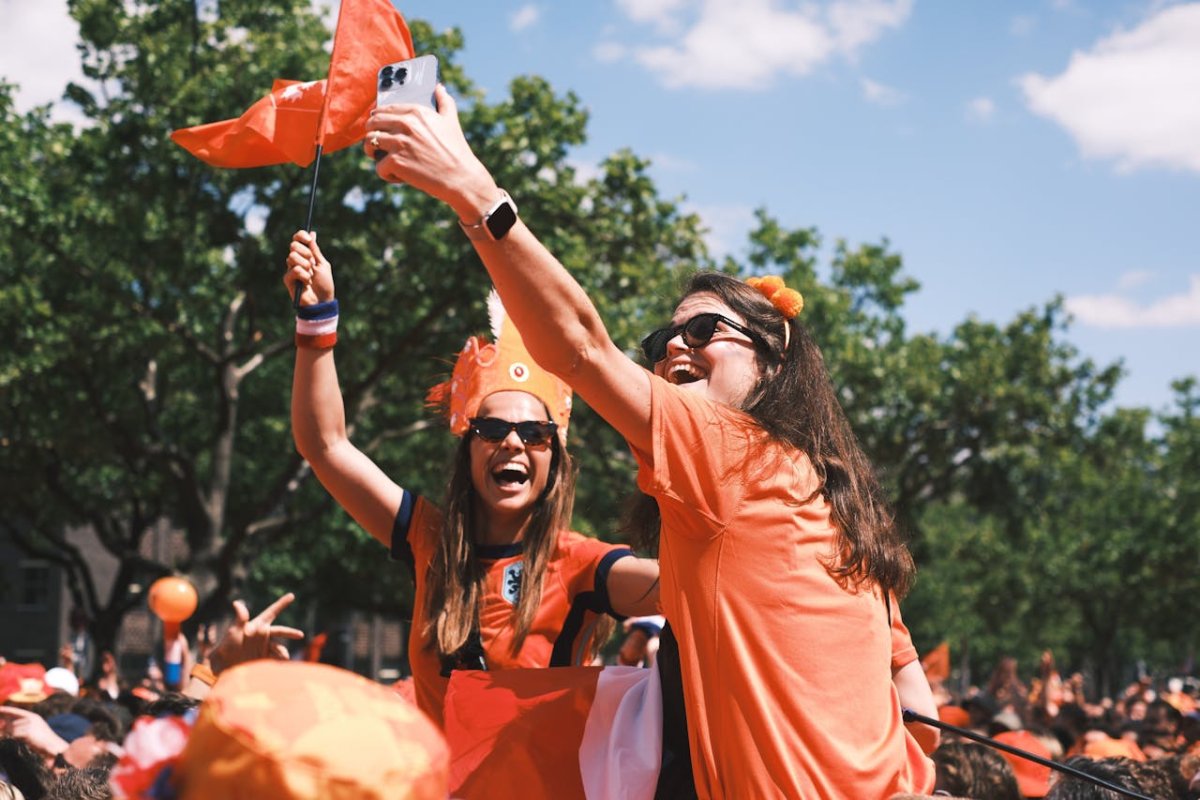
Ultra groups and organised supporters maintain rivalry traditions even as everything else changes around them. They create stadium atmosphere, preserve historical memory, and ensure that commercial considerations don't completely override cultural significance.
Key aspects of fan organisation:
-
Ultra groups maintaining traditions
-
Stadium atmosphere creation
-
Historical memory preservation
-
Rivalry tradition transmission
These groups face constant pressure from authorities worried about violence while trying to maintain the passion that makes rivalries meaningful.
Traditions and Rituals
Rivalry songs and chants adapt to include social media references while maintaining traditional elements. Pre-match preparations now include online activity alongside traditional gatherings. The core elements remain, but expression methods evolve.
Traditional elements that persist:
-
Rivalry-specific songs and chants
-
Pre-match preparation rituals
-
Social media age adaptations
-
Cultural transmission methods
What hasn't changed is the emotional investment. Winning a rivalry match still means more than winning against technically superior opposition.
Future Outlook
Next Generation Factors
Young talent emerging from rival academies creates fascinating dynamics – players who grew up supporting one club but develop through another's system. Demographic changes in fan bases mean traditional support patterns shift gradually but persistently.
Emerging influences:
-
Youth talent from rival academies
-
Demographic changes in supporter bases
-
Technology integration effects
-
Generational attitude shifts
Technology integration affects how rivalries get expressed and experienced, though core emotions remain surprisingly constant.
Maintaining Rivalry Intensity
The challenge facing Dutch football is preserving competitive balance while adapting to European football's financial realities. Cultural significance needs protection from commercial pressures that prioritise profit over tradition.
Key preservation challenges:
-
Competitive balance maintenance
-
Cultural significance protection
-
European success vs domestic focus balance
-
Commercial pressure management
The tension between European success and domestic focus creates difficult decisions for clubs caught between historical rivalry obligations and modern competitive demands.
Success in maintaining rivalry intensity depends on recognising that these competitions represent community identity, not just entertainment products.
The beauty of rivalries in Dutch football lies not in their commercial value or entertainment factor, but in their authentic representation of community identity, historical memory, and genuine passion that transcends sport itself.