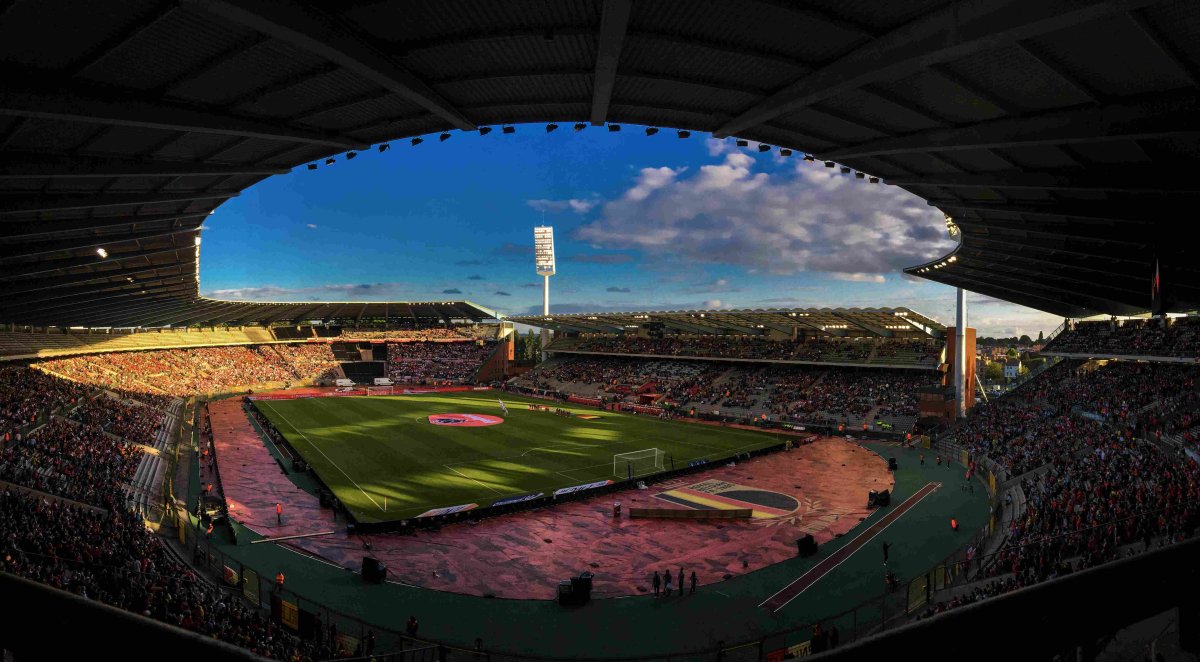
As we navigate the 2025 football landscape, understanding matchdays has become more crucial than ever, with leagues evolving their structures to accommodate increasingly complex international calendars and commercial demands.
From the Premier League's meticulously planned 38-round campaign to the Bundesliga's winter break considerations, matchdays form the backbone of modern football administration.
More Than Just Game Day
At its core, a matchday represents a designated period during which a specific round of fixtures takes place within a league competition. Match day is simply the day in which matches are scheduled.
The terminology varies across different leagues and regions. While English football predominantly uses "matchday" or "match round," other competitions employ terms like "gameweek," "matchweek," or "jornada" (in Spanish leagues).
Regardless of the nomenclature, the underlying concept remains consistent: a structured approach to organizing competitive fixtures within a defined timeframe.
The Anatomy of League Scheduling
Modern league scheduling represents one of football administration's most complex challenges. The whole thing is built up by putting in the international dates from FIFA, then the European club competitions, then the Football Association adds in the dates for its competitions and what you are left with are the dates when you can play league and League Cup matches.
The Sequential Framework
League organizers employ sophisticated methodologies to create balanced and fair competition schedules. That's the methodology we use which is all about breaking the season down into a number of constituent parts, which are called sets.
Wherever possible a club will not have more than two home or away matches in a row, and will be home and away around FA Cup ties. These principles ensure fairness while preventing scheduling disadvantages that could affect competitive integrity.
International Calendar Integration
The start date of 16 August allows for the maximum player rest time available – 83 clear days – from the end of the 2024/25 season, demonstrating how international considerations influence domestic league planning.
The integration of international fixtures creates natural breaks in league schedules, often referred to as "international windows." These periods affect matchday numbering and can create gaps in the regular weekly rhythm that defines most league seasons.
Premier League's Matchday Evolution in 2025
The Premier League's approach to matchday organization continues evolving to address modern football's challenges.
The 2025/26 season will consist of 33 weekend and five midweek rounds of matches, representing a carefully calibrated balance between traditional weekend football and the commercial demands of modern broadcasting.
Festive Period Considerations
The schedule continues to allow more rest time for players over the festive match-round period, with no two rounds taking place within 60 hours of each other.
This represents a significant evolution from traditional Christmas scheduling, where player welfare concerns have driven changes to matchday organization.
This approach reflects broader trends in football administration, where governing bodies increasingly balance tradition with modern performance science recommendations.
Technology Integration
The 2025-26 season will mark the first full campaign where semi-automated offside technology is in use, following its introduction during the previous season on 12 April 2025.
This technological advancement affects matchday operations, requiring additional preparation time and specialized personnel for each fixture.
These technological changes influence how matchdays are organized, from extended pre-match preparation time to enhanced broadcast capabilities that affect kick-off scheduling and stadium operations.
Gameweek Dynamics and Fantasy Football
The rise of Fantasy Premier League and similar games has created new perspectives on matchday organization.
A Double Gameweek contains more than the normal 10 fixtures, with at least one club playing two Premier League fixtures in one Gameweek, and players from that club getting two chances to score Fantasy points.
Blank and Double Gameweeks
A Blank Gameweek contains fewer than the normal 10 matches, with at least one club having no Premier League fixture, and players from such a club having no chance of scoring Fantasy points.
The lack of Blank Gameweeks will be particularly welcome news for Fantasy managers who don't have any chips left, as it makes it easier to navigate the final four Gameweeks.
This demonstrates how fantasy football considerations now influence discussions around matchday scheduling and fixture planning.
Cup Competition Impact
FA Cup and other domestic cup competitions significantly impact league matchday scheduling. However, the two league fixtures - Crystal Palace v Wolverhampton Wanderers, and Man City v AFC Bournemouth - have simply been moved back a few days into a midweek slot on Tuesday 20 May, so they will remain in Gameweek 37, showing how leagues adapt matchday numbering to accommodate fixture changes.
International Variations in Matchday Systems
Different leagues employ varying approaches to matchday organization, reflecting local traditions, climate considerations, and competitive structures.
German Bundesliga Adaptations
The Bundesliga's traditional winter break creates unique matchday scheduling challenges, with the league typically pausing competition from mid-December through January.
This creates a compressed spring schedule that affects matchday spacing and requires careful coordination with European competitions.
Spanish La Liga Flexibility
La Liga's approach to matchday scheduling emphasizes flexibility, with fixtures often moved to accommodate television broadcasting preferences and player welfare considerations.
The league's willingness to schedule matches on various days of the week creates a more fluid matchday concept than seen in more traditional leagues.
Serie A's Tactical Approach
Italian Serie A matchday organization reflects the league's tactical culture, with careful attention paid to rest periods between fixtures and the scheduling of high-profile matches to maximize competitive balance and commercial appeal.
Matchday Culture and Supporter Experience
The concept of matchday extends beyond administrative scheduling to encompass the cultural experience that defines football support.
Traditional Rituals
Among the traditions in attending a league or cup football match in Britain is the purchase of a matchday programme. These cultural elements remain integral to the matchday experience despite evolving scheduling patterns and commercial pressures.
Community Impact
Matchdays significantly impact local communities, from economic benefits to transportation challenges. Weekend fixtures traditionally support local businesses and create community gathering opportunities that midweek matches may not replicate.
Digital Engagement Evolution
Modern matchday experiences increasingly incorporate digital engagement, from social media integration to enhanced broadcast presentations. These developments affect how supporters experience matchdays, both in stadiums and remotely.
The Final Day Phenomenon
One of football's most cherished traditions involves the final matchday of the season, where all matches kick off simultaneously. By having all the matches kick off at the same time, the jeopardy for each team is higher.
The final match round will be played on Sunday 24 May 2026, when all matches will kick off simultaneously as usual. This tradition ensures competitive integrity while creating dramatic tension that defines season conclusions.
The simultaneous kick-off prevents teams from gaining unfair advantages through knowledge of rivals' results.
Conclusion
The concept of matchday in league football represents far more than simple game scheduling – it embodies the complex intersection of sporting competition, commercial interests, player welfare, and cultural tradition that defines modern professional football.
As we progress through 2025, matchday organization continues evolving to address increasingly sophisticated demands from multiple stakeholders.
The matchday, in all its complexity and cultural significance, represents both football's rich traditions and its dynamic future.
Understanding how it works provides insight into the beautiful game's continuing evolution and the sophisticated systems that enable millions of supporters worldwide to follow their teams through carefully orchestrated seasonal journeys that culminate in championship glory or heartbreak – all organized around the simple yet profound concept of matchday.