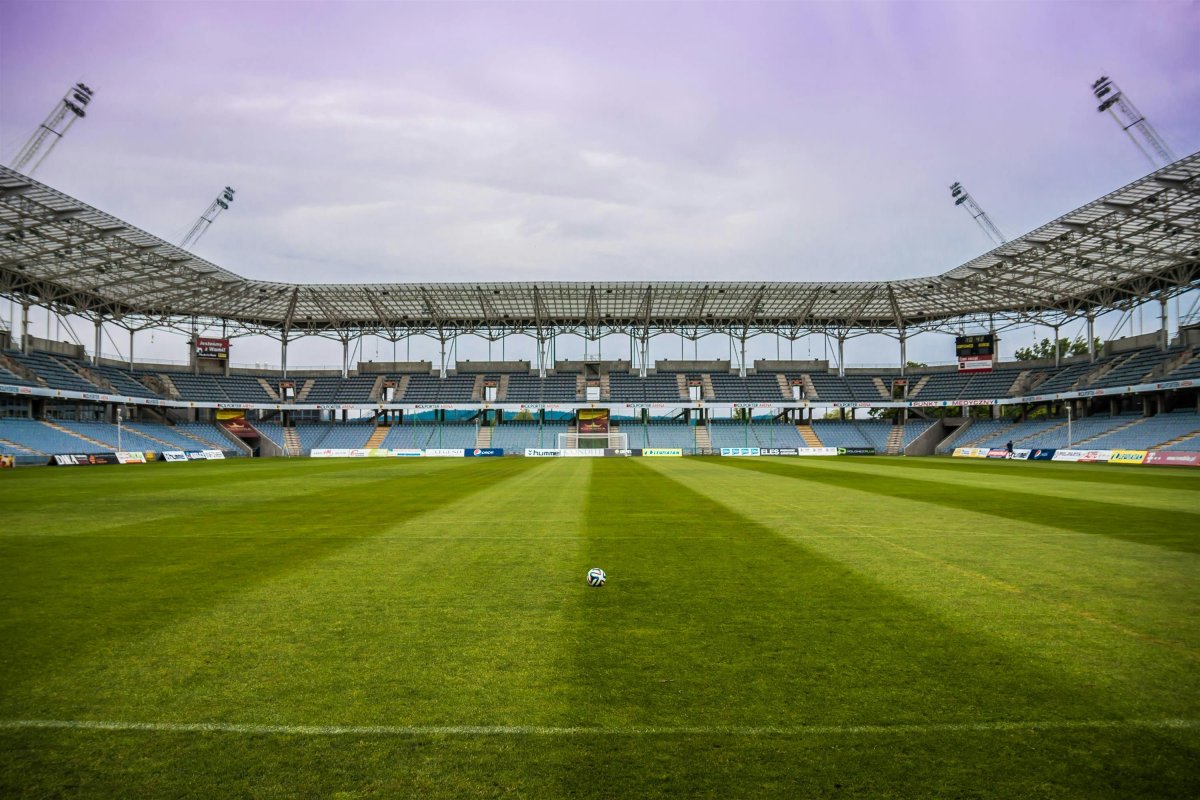
The global soccer landscape in 2025 showcases unprecedented competitive balance, with traditional powerhouses facing fresh challenges from emerging leagues worldwide.
Based on UEFA coefficient rankings, financial strength, and competitive depth, these ten leagues represent the pinnacle of professional football excellence.
1. English Premier League
The English Premier League sealed the first additional place for 2025-26 on April 8, cementing its position as soccer's most competitive league.
The English Premier League (€11.77bn) remains by far the most valuable, exceeding the combined worth of La Liga (€5.29bn) and Serie A (€5.07bn).
The average team rating of the 20 current Premier League clubs on a scale of zero to 100 is 87.9, with Manchester City (100), Arsenal (96.9) and Liverpool (95.9) all in the top five of the global club rankings.
The league's financial dominance translates to competitive excellence, attracting the world's best players and coaches.
Liverpool (83) were confirmed as champions on April 27, with four games to spare, but the battle for European qualification remains intensely competitive.
In 2025-26, the Premier League has been allocated five teams in the Champions League due to the performance of its clubs in Europe this season.
The Premier League's global reach, broadcasting quality, and unpredictable results make it soccer's premier entertainment product, setting standards other leagues aspire to match.
2. German Bundesliga
The Bundesliga has risen to second once again, with its clubs having an average rating of 86.2. The Bundesliga (€4.48bn) maintains its position among soccer's elite competitions despite recent challenges from Serie A.
For the fourth time in the last five seasons, the Bundesliga saw the most goals per game across Europe's top divisions in 2021/22.
Germany's 934 top-flight fixtures produced a total of 2906 goals at a rate of 3.12 per match, making it Europe's most entertaining league for attacking football.
Bayern Munich have reclaimed their Bundesliga crown from Bayer Leverkusen, but competitive balance has improved significantly.
The league's 50+1 ownership rule maintains supporter involvement while ensuring financial sustainability compared to other elite leagues.
Fan engagement remains exceptional, with the Bundesliga consistently leading Europe in attendance figures and stadium atmosphere.
3. Spanish La Liga
As of the 2024–25 season, La Liga is ranked third in the UEFA coefficient rankings based on performances in European competitions over the past five seasons, behind the English Premier League and Italian Serie A.
The Spanish LaLiga claimed the second on April 17 additional Champions League spot for 2025-26. Real Madrid and Barcelona's global brands elevate the entire league's profile.
La Liga clubs have won the most UEFA Champions League (20), UEFA Europa League (14), UEFA Super Cup (16) and FIFA Club World Cup (8) titles, demonstrating sustained European excellence.
La Liga is now only on a par with France's Ligue 1; both competitions have an average Opta Power Rating of 85.1, indicating some decline from previous peaks.
However, with Los Blancos and Barcelona ranked second and ninth respectively, La Liga has more clubs in the top 10 than Ligue 1.
The league's technical quality and tactical sophistication continue attracting world-class talent despite financial challenges affecting some clubs.
4. Italian Serie A
Serie A and the Bundesliga swap places, as do the Primeira Liga and Brasileirão in recent power rankings. The tight title race came to a head on Friday when either Napoli (82) or Internazionale (81) could have won the Scudetto.
Both won 2-0, with Napoli's victory over Cagliari ensuring they were crowned champions. Serie A's tactical sophistication and defensive expertise maintain its reputation as soccer's most strategic league.
The recent championship races have restored competitive balance after years of Juventus dominance. Milan, Inter, Napoli, and Juventus provide consistent European competition, while emerging teams like Atalanta demonstrate the league's developmental capabilities.
5. French Ligue 1
Paris Saint-Germain (84) secured the title with ease on April 5, highlighting the competitive imbalance that defines French football. Ligue 1 (€3.52bn) completes the "Big Five" European leagues but faces growing competition from outside Europe.
PSG's financial dominance creates predictable title races, though Marseille (65) and AS Monaco (61) sealed the direct spots with a game to spare for European competition.
The league's youth development systems produce exceptional talent, with players often moving to other elite leagues.
Despite PSG's dominance, Ligue 1's technical quality and player development make it globally relevant.
6. Portuguese Liga Portugal
Portugal's Liga Portugal (€1.59bn) punches above its weight in European competition. The league's tactical awareness and technical development create players capable of succeeding in larger leagues.
Porto, Benfica, and Sporting CP maintain European competitiveness while developing talent for global markets. The league's coefficient ranking reflects consistent European performance despite limited financial resources.
7. Dutch Eredivisie
The Netherlands' Eredivisie (€1.28bn) continues producing exceptional talent through world-renowned youth development systems. The Eredivisie shoots ahead of the Danish Superligaen and the Argentine Superliga, putting it just inside the top 10.
Ajax, PSV, and Feyenoord maintain European relevance while clubs like AZ Alkmaar provide competitive depth. The league's attacking philosophy and technical emphasis influence global soccer development.
8. Brazilian Serie A
Brazil's Serie A (€1.63bn) stands as South America's premier league. The 2025 Campeonato Brasileiro Série A is the 69th season of the Campeonato Brasileiro Série A, the top level of professional football in Brazil, with Botafogo the defending champions.
The league's technical quality, passionate support, and player development create one of soccer's most exciting competitions. Brazilian clubs' Copa Libertadores success demonstrates continental superiority.
9. Major League Soccer (MLS)
Major League Soccer (€1.24bn) represents rapid growth in American soccer. MLS is ranked as the ninth-best league in world football according to the Opta Power Rankings, highlighting significant development.
The league's salary cap system creates competitive balance, while designated player signings attract global stars. Expanding to 30 teams in 2025 demonstrates continued growth and investment.
10. Argentine Primera División
Argentina's Primera División (€962m) maintains South American excellence despite economic challenges. The 2025 Argentine Primera División - Liga Profesional is the 135th season of top-flight professional football in Argentina.
The Argentine championship was ranked as one of the top ten strongest leagues worldwide for the 2015 calendar year by the International Federation of Football History & Statistics (IFFHS), though it has since declined in global rankings.
The league's passionate support, tactical sophistication, and historic clubs like Boca Juniors and River Plate maintain its global relevance.
Competitive Analysis
UEFA Coefficient Impact
As of March 14, 2025, England and Spain look set to benefit from extra berths in the 2025-26 Champions League, thanks to their respective clubs' 2024-25 season coefficient performances. European performance directly impacts league quality perception and financial rewards.
Financial Stratification
The Premier League alone holds nearly double the valuation of its closest competitor, La Liga, showing the financial divide between competitions. This financial gap creates talent concentration that affects competitive balance globally.
Global vs Regional Excellence
Outside of Europe, only three leagues—Brazil's Serie A (€1.63bn), Major League Soccer (€1.24bn), and the Saudi Pro League (€1.02bn)—have crossed the €1bn mark, demonstrating European dominance while highlighting emerging global competition.
Conclusion
The 2025 soccer landscape reflects increasing financial stratification alongside growing global competition.
While European leagues maintain technical and commercial superiority, emerging leagues in the Americas and Asia demonstrate rapid development and growing influence.
The Premier League's dominance appears sustainable through superior financial resources and global appeal.
However, competitive balance within leagues, player development capabilities, and European performance create meaningful distinctions among elite competitions.
As soccer continues globalizing, these rankings will evolve based on investment patterns, regulatory changes, and shifting fan preferences worldwide.