
The most successful clubs in football history didn't get there by accident. They earned their stripes through decades of silverware, legendary players, and moments that still give fans goosebumps. I've spent countless hours analysing trophy cabinets across Europe's top leagues. What I've found will probably surprise you.
Success in football isn't just about how many trophies you've won. Though that's a massive part of it. It's about sustained excellence, conquering both domestic and European competitions, and building legacies that transcend generations.
Some clubs dominate their home turf but fall short on the continental stage. Others might be European giants but lack domestic consistency.
Let me break down exactly which clubs reign supreme in each major league. More importantly, why their success matters in today's football landscape.
How We Measure Success
Before diving into the numbers, let's get one thing straight—not all trophies are created equal. A Champions League trophy carries more weight than a domestic cup, and league titles represent sustained excellence better than one-off cup victories.
I'm looking at three key metrics:
-
League titles (the bread and butter of success)
-
Major domestic cups (FA Cup, Copa del Rey, etc.)
-
European competitions (Champions League, Europa League, Cup Winners' Cup)
The clubs that consistently deliver across all three categories? Those are your true football royalty.
Premier League
Liverpool and Manchester United
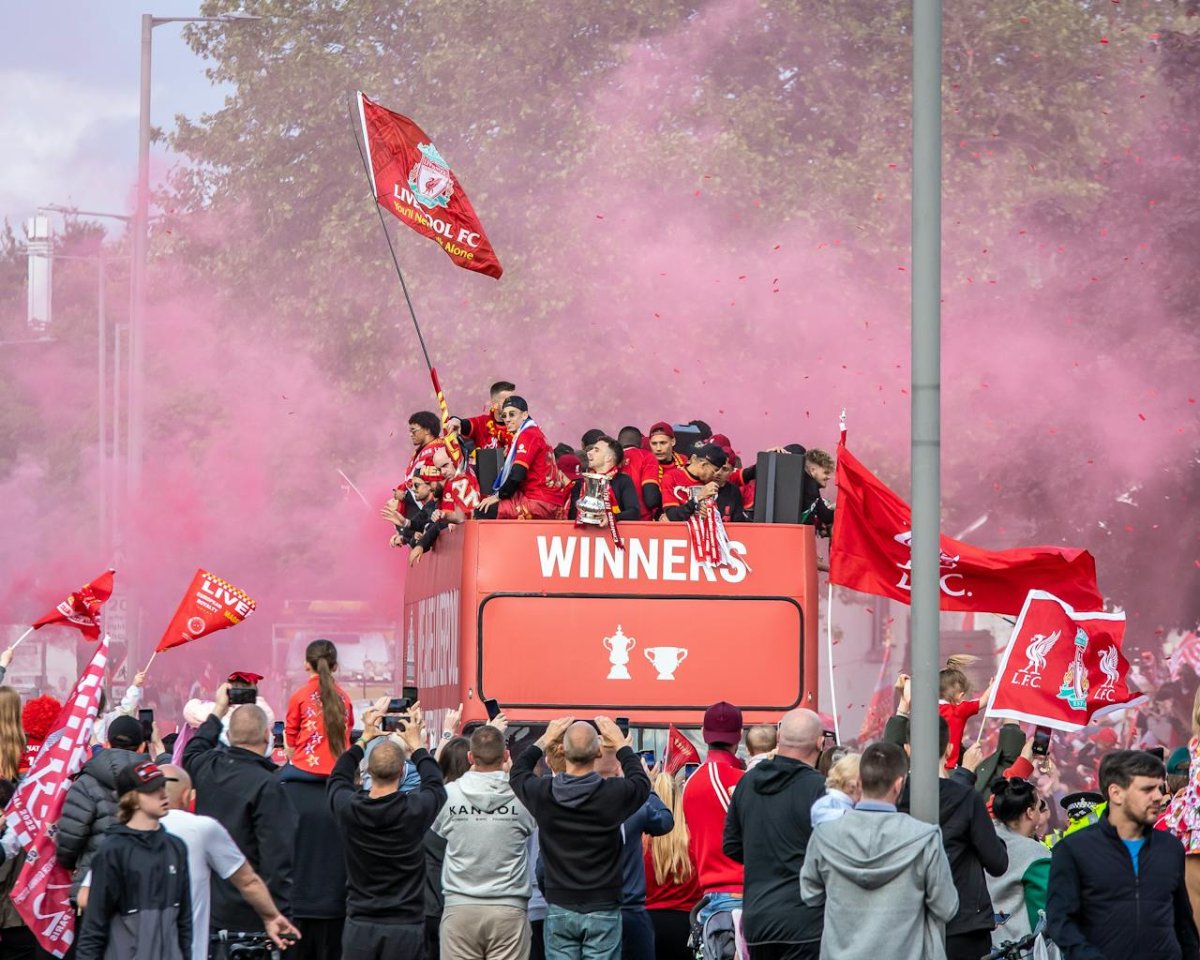
Here's where it gets interesting. Both Liverpool and Manchester United sit on 20 league titles each, making them the most successful clubs in English football history. But their paths to glory couldn't be more different.
Manchester United dominated the Premier League era under Sir Alex Ferguson, winning 13 titles between 1993 and 2013. They built an empire on consistent excellence and never knowing when they were beaten.
Liverpool, meanwhile, ruled the 1970s and 1980s before enduring a 30-year title drought that ended spectacularly in 2020. Their recent surge under Jürgen Klopp, including the 2024-25 Premier League victory, proves that class is permanent.
European pedigree separates them:
-
Liverpool: 6 European Cups/Champions League titles
-
Manchester United: 3 European Cup/Champions League titles
Liverpool edges it on the continental stage, but United's domestic dominance during the Premier League's golden era keeps them level.
Arsenal
Arsenal might have "only" 13 league titles, but their FA Cup record is absolutely bonkers—14 victories and counting. That's more than any other club in the competition's history.
The Invincibles season of 2003-04 remains untouchable. Going an entire Premier League campaign unbeaten isn't just rare—it's the stuff of legend. Arsenal proved that beautiful football and winning trophies aren't mutually exclusive.
Their European record is their Achilles heel. One Cup Winners' Cup in 1994 and consistent Champions League participation, but no European Cup. It's the missing piece in their trophy collection.
Chelsea and Manchester City
Chelsea completed the set by winning every possible trophy between 2012-2021. Their Champions League victories in 2012 and 2021 bookend a decade of European ambition finally paying off.
Manchester City's recent dominance is staggering. Four Premier League titles in five seasons (2018-2022), plus their maiden Champions League in 2023. They've turned the Premier League into their personal playground.
Combined domestic achievements:
-
Chelsea: 6 Premier League titles, 8 FA Cups
-
Manchester City: 8 Premier League titles, 7 FA Cups
Both clubs prove that smart investment and top-class management can accelerate success dramatically.
La Liga
Real Madrid
Real Madrid isn't just successful—they're otherworldly. Fifteen Champions League titles (including five in nine years from 2014-2022) and 35 La Liga championships. They've set the benchmark so high that everyone else is playing catch-up.
Their global recognition transcends football. When people think of European football royalty, Real Madrid is the first name that comes to mind. They've mastered the art of performing when it matters most.
The Galáctico policy might have had mixed results, but their ability to attract the world's best players remains unmatched. From Di Stéfano to Cristiano Ronaldo to Mbappé—Real Madrid gets their man.
Barcelona
Twenty-seven La Liga titles and five European Cups tell only part of Barcelona's story. Their philosophy of playing football the "right way" has influenced clubs worldwide.
The Pep Guardiola era (2008-2012) produced arguably the greatest club team in history. That Barcelona side didn't just win—they redefined how football could be played. Their possession-based style became the template every club tried to copy.
Recent financial troubles have dented their momentum, but Barcelona's academy continues producing world-class talent. When they get their finances sorted, they'll be back competing at the highest level.
Atlético Madrid
Eleven La Liga titles might seem modest compared to their city rivals, but Atlético Madrid's success is built differently. They've consistently punched above their weight, reaching Champions League finals in 2014 and 2016.
Diego Simeone's transformation of Atlético into title contenders (winning La Liga in 2014 and 2021) proves that smart tactics and unwavering commitment can overcome financial disadvantages.
Their European consistency—regularly reaching latter stages despite smaller budgets—makes them one of the most respected clubs on the continent.
Serie A
Juventus
Thirty-six Serie A titles. Let that sink in. Juventus has won more domestic league titles than any other club in Europe's top five leagues. Their sustained excellence spans generations.
The nine consecutive Serie A titles (2012-2020) showed what happens when a club gets everything right—smart recruitment, tactical flexibility, and unwavering standards.
European success has been more elusive recently, but their two Champions League victories (1985, 1996) and multiple final appearances prove they belong among Europe's elite.
AC Milan and Inter Milan
Between them, AC Milan and Inter Milan have won 47 Serie A titles and 10 European Cups. Not bad for two clubs sharing the same city.
AC Milan's European pedigree is phenomenal—seven Champions League titles, including memorable victories in 2003 and 2007. Their ability to perform in big European nights is legendary.
Inter Milan's treble-winning season under José Mourinho (2009-10) remains one of the greatest single-season achievements in football history. Champions League, Serie A, and Coppa Italia—perfect.
Bundesliga: German Efficiency
Bayern Munich: The Bavarian Machine
Thirty-two Bundesliga titles and six European Cups—Bayern Munich operates like a well-oiled machine. Their domestic dominance is so complete that the Bundesliga is often called a "one-team league."
The 2013 and 2020 trebles showcase their ability to peak at exactly the right moments. When Bayern hits top gear, they're unstoppable across all competitions.
Their success formula is simple but effective: invest in the best German talent, add world-class internationals, and maintain ridiculously high standards year after year.
Borussia Dortmund
Eight Bundesliga titles and their 1997 Champions League victory prove that Bayern doesn't always have it their own way. Dortmund's Yellow Wall creates an atmosphere that can lift any team.
Jürgen Klopp's back-to-back Bundesliga titles (2011, 2012) and Champions League final appearance showed how smart coaching and passionate support can overcome financial disadvantages.
They've become the perfect stepping stone for young talent—developing players before selling them on for massive profits. It's sustainable success done right.
Ligue 1
Paris Saint-Germain
Eleven Ligue 1 titles tell only part of PSG's story. Their transformation from mid-table mediocrity to domestic dominance happened almost overnight after the 2011 Qatari investment.
Their domestic cup dominance is staggering—multiple Coupe de France and Coupe de la Ligue victories have made them the undisputed kings of French football.
The completed set? Champions League success finally arrived in dramatic fashion. PSG's historic 5-0 victory over Inter Milan in the 2025 final not only delivered their first European crown but did so by the largest margin in Champions League final history.
Questions about their true greatness have finally been answered with European conquest.
Historical French Powers
Saint-Étienne's ten league titles in the 1960s and 1970s established them as French football's first dynasty. Their European Cup final appearance in 1976 remains a highlight of French football history.
Lyon's seven consecutive Ligue 1 titles (2002-2008) proved that sustained excellence was possible outside Paris. Their Champions League semi-final appearances showed French clubs could compete with Europe's best.
Marseille was the first French club to win the Champions League (1993), though their subsequent relegation for match-fixing remains a dark chapter in their history. PSG's 2025 triumph makes them only the second French club to claim Europe's premier prize.
Other Major European Leagues
Scottish Premiership
Celtic and Rangers have won over 100 league titles between them. Their dominance of Scottish football is absolute, but their European achievements tell a more complex story.
Celtic's 1967 European Cup victory with the "Lisbon Lions" remains one of football's greatest underdog stories. Rangers' Cup Winners' Cup triumph in 1972 proved Scottish clubs could compete with anyone.
Recent years have seen Celtic establish superiority in domestic competitions, but both clubs struggle to make significant European impact due to financial constraints.
Dutch and Portuguese Leagues
Ajax's four European Cups and philosophy of developing young talent has influenced football globally. Their 2019 Champions League semi-final run reminded everyone why they're respected worldwide.
In Portugal, Benfica (37 league titles) and Porto (30 league titles) have dominated domestically whilst achieving consistent European success. Porto's Champions League victories in 1987 and 2004 prove Portuguese football's quality.
While Swedish football continues developing, leagues like the Eredivisie and Primeira Liga maintain stronger European presence.
Global Success Rankings
Worldwide Leaders
Al Ahly of Egypt holds the world record for most trophies won by any football club—over 140 major honours. Their dominance of African football is unprecedented.
South American powerhouses like Boca Juniors, River Plate, and Santos have continental championship collections that rival any European club. Their Copa Libertadores victories carry massive prestige across the Americas.
European Competition Analysis
The Champions League remains football's ultimate prize. Real Madrid's 15 titles dwarf everyone else, but clubs like AC Milan (7), Liverpool (6), and Barcelona (5) have legitimate claims to European greatness.
The Europa League and its predecessors provide opportunities for clubs outside the traditional elite to achieve continental success. Sevilla's seven UEFA Cup/Europa League victories make them the competition's undisputed kings.
Success Evaluation
Trophy Assessment
Not all competitions carry equal weight. Here's my hierarchy:
Tier 1: The Elite
-
Champions League/European Cup
-
Domestic league titles
Tier 2: Significant Achievement
-
Europa League/UEFA Cup
-
Major domestic cups (FA Cup, Copa del Rey, etc.)
Tier 3: Nice to Have
-
League cups, super cups, and secondary competitions
Modern Factors
Financial Fair Play regulations have changed the success landscape. Clubs can no longer simply buy their way to the top without consequences.
Investment effects remain significant—Manchester City and PSG's recent success proves money still talks—but sustainability has become crucial for long-term success.
The best clubs now balance immediate success with long-term planning, developing academies whilst competing for major honours.
The Verdict on the Most Successful Clubs
After diving deep into trophy cabinets across Europe's major leagues, patterns emerge. The truly great clubs—Real Madrid, Barcelona, Manchester United, Liverpool, Bayern Munich—didn't achieve greatness overnight.
They built legacies through decades of smart decisions, legendary players, and an unwavering commitment to excellence.
Success in modern football requires more than just winning trophies. It demands sustainable excellence, European competitiveness, and the ability to adapt to changing circumstances.
The clubs that master all three elements will continue to be recognised among the most successful clubs in football history.