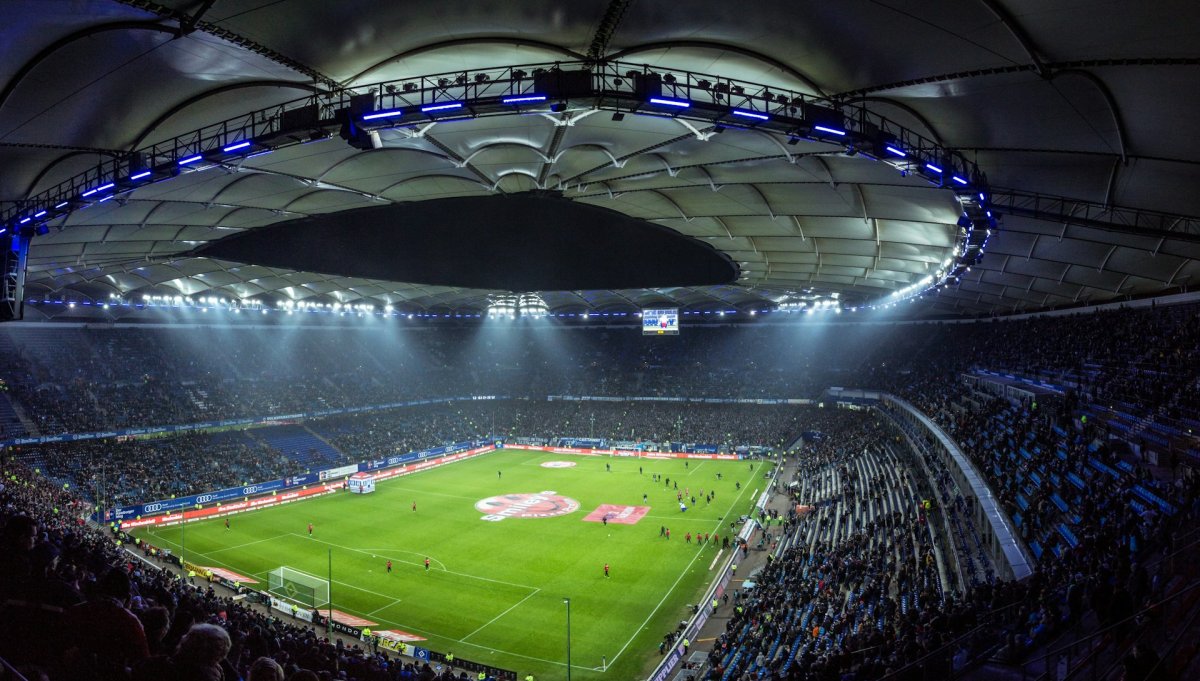
The biggest football stadiums in the world are architectural marvels that house hundreds of thousands of passionate fans every matchday. I've always been fascinated by these colossal venues - there's something incredible about walking into a stadium that can fit an entire city's population.
Let me take you through the world's most massive football arenas, from the iconic Camp Nou to some mind-blowing projects that'll reshape the stadium landscape forever.
Stadium Capacity Definition
Before we dive in, let's get one thing straight. When I talk about stadium size, I'm referring to official seating capacity for competitive football matches. Not standing room, not temporary seating for concerts - just proper ticketed seats for actual football.
This matters because you'll see wildly different numbers floating around online. Some stadiums can squeeze in extra bodies for special events, but we're sticking to the real deal here.
World's Largest Football Stadium
Camp Nou Barcelona (105,000)
Camp Nou is still the undisputed king of football stadiums. Home to FC Barcelona, this beast has been packing in 105,000 fans since the 1950s.
What blows my mind is that they're not stopping there. The ongoing Espai Barça redevelopment project is going to modernise this already incredible venue. They're talking about maintaining that massive capacity whilst adding all the bells and whistles you'd expect from a 21st-century stadium.
I've been there during a Clásico, and honestly, the atmosphere is something else entirely. The noise hits you like a physical wall.
Top 10 Biggest Football Stadiums
Rungrado 1st of May Stadium North Korea (114,000)
Technically, this is the world's largest stadium by capacity. But here's the thing - it's multi-purpose, not purely football. The distinctive 16-petal roof design is absolutely stunning from above.
They actually reduced capacity from the original 150,000 for safety compliance. Smart move, because cramming 150k people anywhere sounds like a recipe for disaster.
Wembley Stadium England (90,000)
The home of English football with that iconic arch you can spot from miles away. Wembley's got this massive non-retractable roof that creates an incredible atmosphere.
This is where Champions League finals happen, where England's biggest moments unfold. The new Wembley (rebuilt in 2007) is a proper temple to football.
Estadio Azteca Mexico (87,523)
Here's something mad - Azteca is the only stadium that's hosted two FIFA World Cup finals (1970 and 1986). Both times, the atmosphere was electric.
They're currently renovating for the 2026 World Cup, which Mexico is co-hosting with the US and Canada. This place has seen Diego Maradona's "Hand of God" goal. That's proper football history right there.
Bukit Jalil National Stadium Malaysia (87,411)
Southeast Asia's largest football venue, and it's genuinely impressive. The multi-purpose design works for both football and athletics, which is clever planning.
What I love about this stadium is how it represents football's global reach. Malaysia might not be a traditional football powerhouse, but they've built something world-class.
Future Mega Stadium Projects
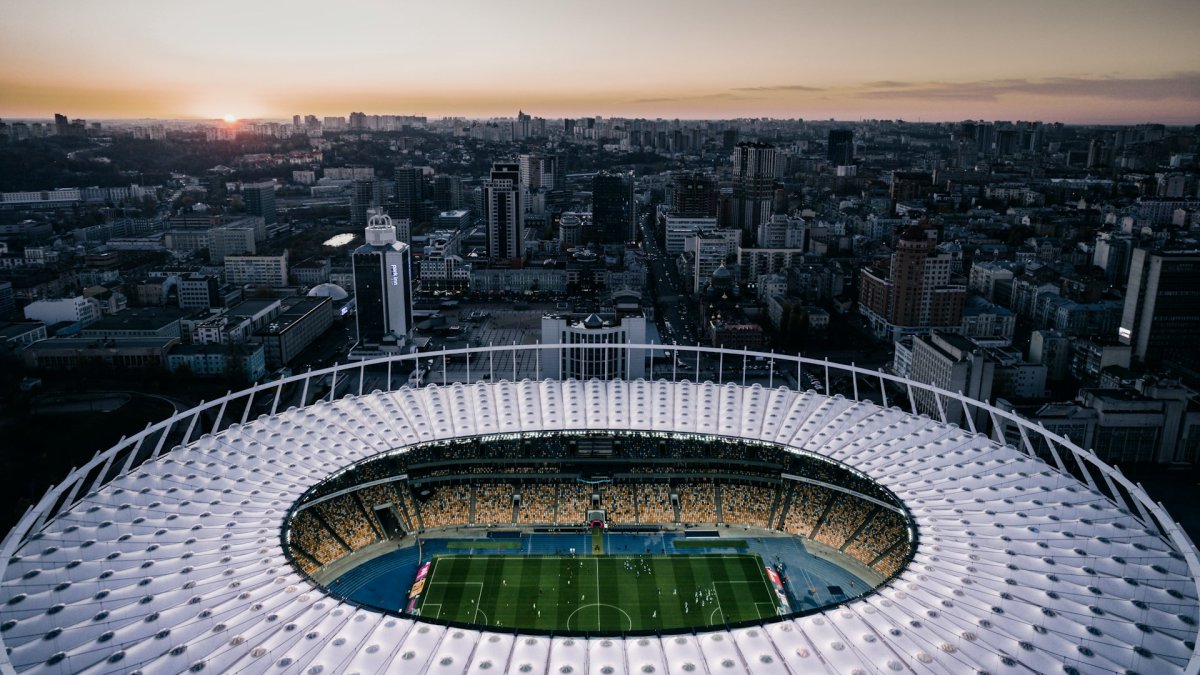
Planned 100,000+ Capacity Stadiums
The stadium game is about to get seriously interesting:
Grand Stade Hassan II, Morocco - 115,000 seats planned for the 2030 World Cup. If this gets built as planned, it'll dwarf even Camp Nou.
Manchester United New Stadium - Foster + Partners are designing a 100,000-seat venue. United's current Old Trafford holds about 75,000, so this would be a massive upgrade.
King Salman International Stadium, Saudi Arabia - 92,760 capacity for the 2034 World Cup. The Saudis are throwing serious money at football infrastructure.
Regional Stadium Giants
Europe's Largest Football Stadiums
Camp Nou obviously leads the pack, but Europe's got some other absolute units:
Signal Iduna Park (Dortmund) - Famous for the "Yellow Wall" - 25,000 standing fans creating the most intimidating atmosphere in world football.
San Siro (Milan) - Shared by AC Milan and Inter Milan. This place oozes history and holds about 80,000.
Americas Major Football Stadiums
Rose Bowl (USA) - 92,542 capacity and hosted the 1994 World Cup Final. It's primarily for American football, but it's hosted some massive football matches.
Mercedes-Benz Stadium (USA) - Modern 75,000-seat design with a retractable roof that looks like something from a sci-fi film.
Asia-Pacific and African Stadium Giants
FNB Stadium (South Africa) - Hosted the 2010 World Cup Final. The atmosphere during that tournament was unreal.
Gelora Bung Karno (Indonesia) - 88,083 capacity in a country absolutely mad about football.
Modern Stadium Design Features
Stadium Design Evolution
Stadium design has come a long way from concrete bowls with bench seating:
- Individual seating replacing those uncomfortable bench arrangements
- Retractable roofs for weather protection without losing atmosphere
- Advanced technology integration with massive screens, wifi, and mobile apps
- Sustainable construction because even football needs to care about the planet
Stadium Capacity Changes
Here's something most people don't realise - stadium capacities are constantly shifting:
Safety regulations have forced many stadiums to reduce their historical capacities. Better safe than sorry.
Premium hospitality areas eat into general seating. Executive boxes mean fewer regular seats.
Safe standing areas are making a comeback in some countries, which can actually increase capacity safely.
Economic Impact of Mega Stadiums
Construction Investment
Building these mega-stadiums costs serious money:
- Multi-billion pound projects are becoming normal
- World Cup hosting drives massive infrastructure spending
- Return on investment comes through decades of tourism and events
Revenue Generation
Smart stadium operators know it's not just about football:
- Concert hosting can bring in massive revenue
- Corporate events and conferences generate additional income
- Local economic impact creates thousands of jobs in surrounding areas
World Cup Stadium Requirements
FIFA doesn't mess about with their FIFA standards:
- Minimum 40,000 capacity for World Cup finals matches
- The 2026 World Cup across North America will showcase some incredible venues
- 2030 and 2034 World Cups are already driving new construction projects
Future of Biggest Football Stadiums
Camp Nou maintains its position as the world's largest dedicated football stadium, but that might not last forever. Morocco's planned 115,000-seater could change everything.
What's interesting is how the focus is shifting. It's not just about cramming in more bodies anymore - it's about creating incredible experiences. Better food, better facilities, better technology.
The future of massive stadiums isn't just about size. It's about creating environments where 100,000 people can have the time of their lives watching the beautiful game.
The biggest football stadiums in the world will always capture our imagination, because there's nothing quite like being part of a crowd that size when your team scores.