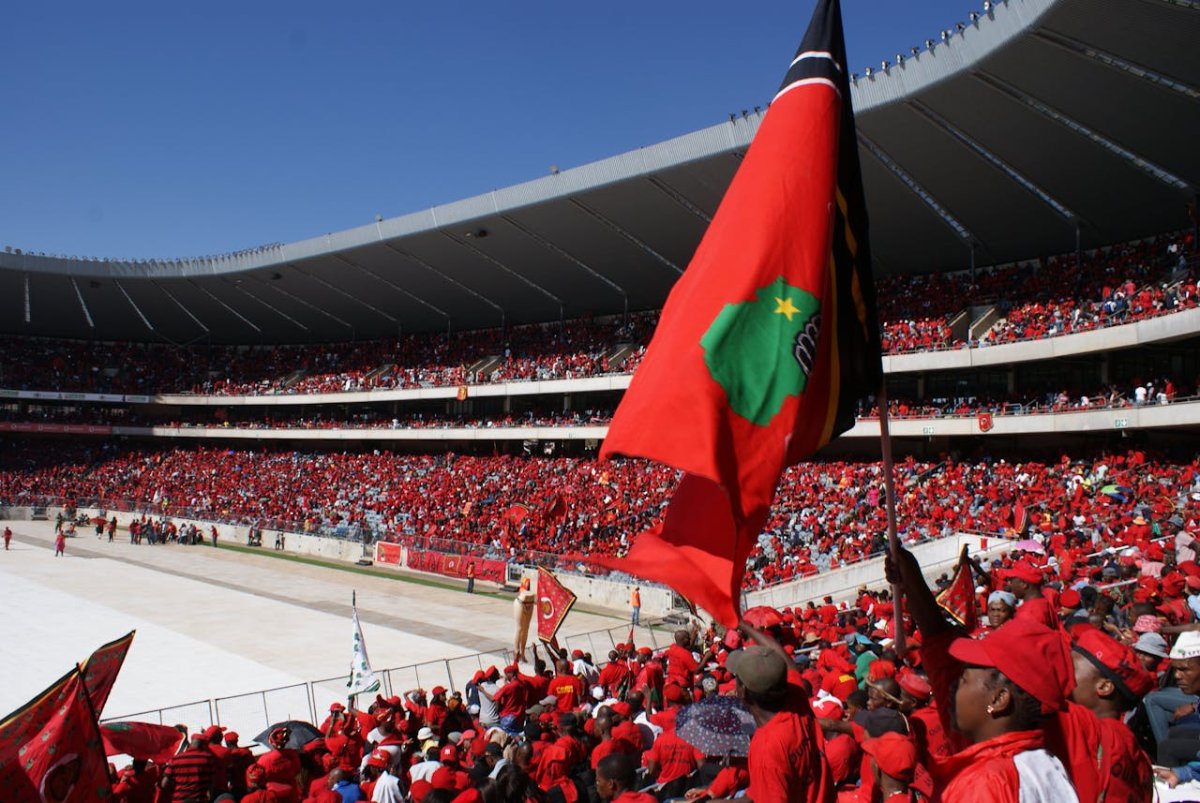
AFCON might not get the same global spotlight as the Euros, but trust me—it's serving up football drama that puts soap operas to shame.
I've been watching continental tournaments for years, and there's something uniquely electric about Africa's premier football competition that makes it stand out in ways most people don't realise.
Look, we all know the big tournaments. The Euros get the fancy stadiums and billion-pound TV deals. Copa América has that South American flair with players who've got football literally running through their veins.
But AFCON? It's the underdog story that keeps delivering plot twists nobody sees coming.
Tournament Origins and Historical Context
Here's something that'll surprise you—AFCON isn't some Johnny-come-lately in the continental tournament game. This competition has serious heritage.
Copa América leads the pack, kicking off way back in 1916. That's over a century of South American football passion right there. AFC Asian Cup followed in 1956, then AFCON rolled up in 1957—making it the third-oldest continental championship on the planet.
The UEFA European Championship didn't show up until 1960, despite all its current prestige. So when people act like AFCON is some secondary tournament, remind them it was around before the Euros even existed.
Current Tournament Formats
The modern tournament structures tell an interesting story about each region's approach:
-
AFCON: 24 teams, happens every two years since 2013
-
UEFA Euro: 24 teams, sticks to the traditional four-year cycle
-
Copa América: Between 10-16 teams, schedule changes more than a teenager's mood
-
AFC Asian Cup: 24 teams, every four years like clockwork
AFCON's biennial format is genius, honestly. More football, more often. While Europe makes you wait four years between tournaments, Africa keeps the party going every other year.
Unique Scheduling Challenges
This is where things get spicy. AFCON's December 2025-January 2026 timing is happening because of the FIFA Club World Cup shaking up the calendar.
European clubs lose their minds when African players disappear mid-season for AFCON, but here's the thing—football doesn't revolve around the Premier League schedule.
Other tournaments play it safe with summer timing, but AFCON has to navigate:
-
African weather patterns
-
International fixture congestion
-
European league conflicts
Prize Money and Commercial Value
Let's talk brass tacks. Tournament prestige often comes down to prize money, and the numbers are telling:
-
UEFA Euro: £30.9 million for winners (the big daddy)
-
Copa América: £10 million prize pool
-
AFCON: £7 million (up 40% from £5 million—massive progress)
-
AFC Asian Cup: £5 million for champions
That Euro money is insane, but AFCON's 40% prize increase shows serious growth trajectory. Rome wasn't built in a day, and neither is tournament prestige.
Global Viewership and Recognition
Here's where perceptions get messy. UEFA Euro dominates international viewership—no surprise there. Copa América has that passionate South American fanbase that treats football like religion.
But AFCON? It's quietly building global appeal. The 2023 tournament delivered 119 goals—the most in any 24-team continental format. Entertainment value through the roof.
AFC Asian Cup struggles with attendance and global interest, but regional development is solid, especially with Japan's four-title dominance setting standards.
Playing Quality and Technical Standards
Europe brings the highest technical level—world-class players operating like Swiss watches. South America has those traditional football powerhouses where legends are born, not made.
Africa is where emerging talent explodes onto the scene with entertaining, unpredictable football. The technical level keeps rising, and the entertainment factor is off the charts.
Asia focuses on infrastructure development, with countries like Japan showing what's possible with proper investment and planning.
Entertainment Value and Upsets
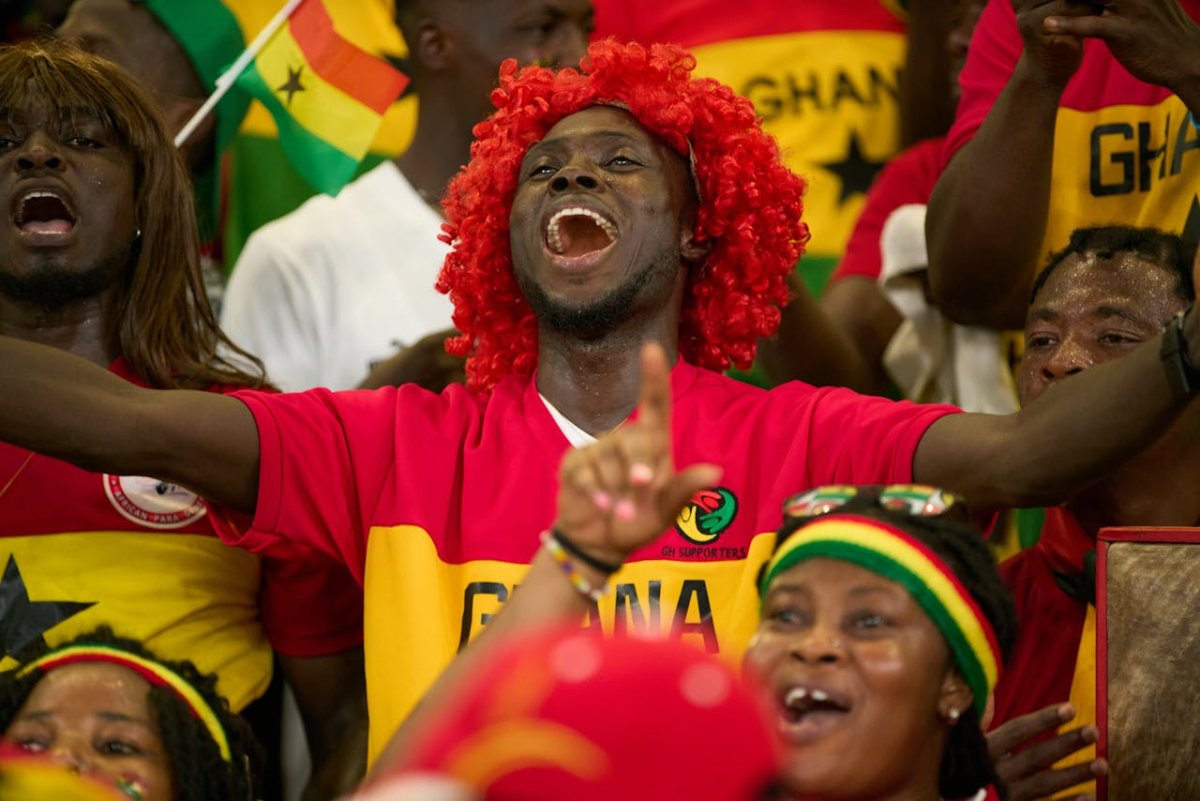
This is where AFCON becomes appointment television. The 2023 tournament saw host Ivory Coast lose 4-0 in the group stage, then somehow win the entire thing. You literally cannot script this stuff.
Key entertainment factors:
-
Top-ranked African teams eliminated early with stunning regularity
-
Unpredictable results in every tournament
-
High-scoring matches and attacking football
Copa América brings passionate encounters and century-old rivalries. The Euros showcase tactical evolution and competitive balance. But AFCON? Pure, unfiltered drama.
Tournament Prestige Recognition
Here's the uncomfortable truth—AFCON doesn't get the same "major tournament" status in Ballon d'Or discussions or global media coverage. It's a perception issue that doesn't match the quality on display.
International football has an unofficial hierarchy, and unfortunately, economic power often determines where tournaments sit in that pecking order. But quality? AFCON delivers in spades.
Infrastructure and Organisation Standards
UEFA sets the gold standard for organisation, stadium quality, and broadcasting technology. Their commercial partnerships are astronomical.
Other confederations are catching up, but the gap in infrastructure investment is real. AFCON's organisational standards keep improving, with:
-
VAR implementation
-
Better broadcasting quality
-
Enhanced stadium facilities
The key is sustainable development rather than trying to match Europe's century head start overnight.
Future Development and Growth Potential
AFCON's growth potential is enormous. Technology integration is accelerating, commercial development is expanding, and youth tournament success is feeding into senior competition quality.
Continental confederation investment is increasing, and infrastructure improvements happen with each edition. The trajectory is clear—upward.
The Bottom Line
AFCON offers unique entertainment value and competitive unpredictability that you simply don't get elsewhere. Yes, it sits below the Euros and Copa América in the unofficial global hierarchy, but the gap is narrowing fast.
Growing international recognition is happening naturally as the quality improves and stories spread. People are starting to realise what those of us who've been paying attention have known for years—AFCON delivers football drama like nowhere else.